Social media is now interest media. Here is what that means for brands
Gary Vaynerchuk argues the feed no longer runs on who you follow but on what you are into. Clipping is built for that world.
By Max Peterson · October 28, 2026 · 4 min read
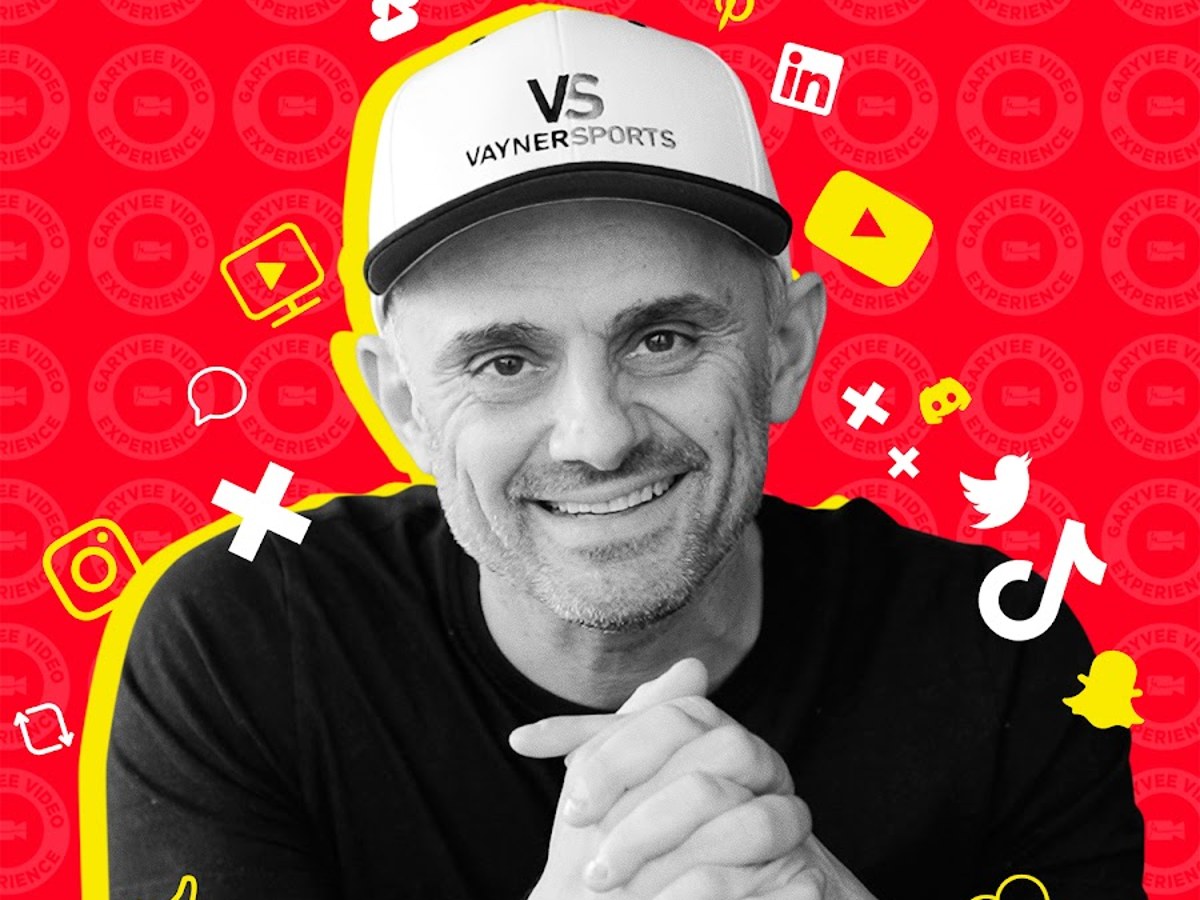
Gary Vaynerchuk has been making one argument over and over, in keynotes, on podcasts and all over LinkedIn: social media, the way we knew it, is over. We now live in what he calls interest media. We think he is right, and we think it explains why clipping works.
The thesis, in plain terms
- Feeds used to show you posts from the people and brands you follow. That was the social graph.
- Now TikTok, Reels, Shorts and even LinkedIn mostly show you whatever the algorithm thinks you are interested in right now. That is the interest graph.
- So follower counts matter far less than they used to. A small page can reach far more people than follow it, if the post matches what they are into.
- In his words, "the creative creates reach." The post itself does the targeting that media buying used to do.
- His advice to brands follows from that: post a lot, see what earns views organically, and only then put paid money behind what already works.
Why this is hard for most brands
Interest media rewards volume and variety. One polished ad cannot match every interest. A film, a product or a podcast needs dozens of different cuts for dozens of different audiences: the horror fans, the meme pages, the sports pages, the finance pages. Most brands do not have the editors, the accounts or the time to make and post that much, and a brand page is one account in a feed built around interests, not follows.
Where clipping fits
Clipping is interest media as a service. Each clipper runs a page built around one interest, with an audience the algorithm already trusts. When a campaign goes live, hundreds of them cut the same source into their own versions and post to their own niches. The algorithm then does what Gary describes: it tests every version and pushes the ones that land.
- 1One piece of content becomes hundreds of clips, each cut for a specific interest.
- 2Each clip goes out on a page whose audience already cares about that interest.
- 3The feed decides which clips travel. You pay per view, so the clips that do not travel cost you nothing.
- 4The winners show you which moments and hooks work, before you spend a dollar on paid.
It works at scale. When FOX brought back Fear Factor, 214 clips earned 71.32M views in one week. When IShowSpeed met the NEO robot from 1X Technologies, 502 clips earned 39.72M views in three days. Across the ten campaigns on our home page, effective CPM ran from $0.06 to $1.77.
The takeaway
If the creative creates reach, the brands that win are the ones with the most good creative in the most feeds. That is what a clipping campaign gives you: real people, real pages and a feed that sorts the winners for you. Book a demo and we will show you what it looks like for your content.
Gary Vaynerchuk's interest media argument comes from his POSSIBLE 2025 keynote, his podcast and his LinkedIn posts. The views above are ours.
Get The Clip Economy by email.
New posts in your inbox. No spam, unsubscribe any time.